Introduction
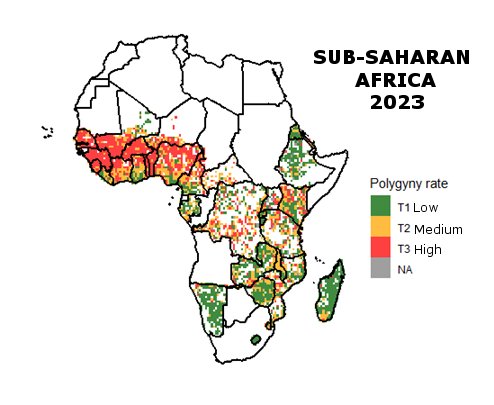
Polygamy is legal and widely practiced in many African nations, particularly in West and Central Africa, and is often recognised under 'customary' or 'religious' (Sharia) law. Key countries with legal, recognised polygamous unions include Burkina Faso, Mali, Gambia, Niger, Nigeria, Guinea, Senegal, Cameroon, Somalia, Kenya and Uganda.
Countries with Legal Polygamy
West Africa: Burkina Faso (~36% rate), Mali (~34%), Gambia (~30%), Niger (~29%), Nigeria (~28%), Guinea (~26%), Guinea-Bissau (~23%), Senegal (~23%), Togo (~17%).
Central/Other Africa: Cameroon, Chad, Central African Republic, Republic of the Congo, Gabon, Eswatini, Somalia, South Sudan, Tanzania, Zambia, and Kenya.
North Africa: Sudan, Libya, and Mauritania.
Key Aspects of African Polygamy
Highest Prevalence: Burkina Faso, Mali, Gambia, Niger, and Nigeria have the highest rates of individuals living in polygamous households.
Legal Framework: In Nigeria, while civil law may recognise only monogamous marriage, many northern states allow polygamy under Sharia law. Kenya passed a law in 2014 allowing men to marry multiple wives and Uganda in 2025.
Context: While predominantly practiced in Muslim communities, it is also common among followers of traditional native African religions and some Christian groups.
South Africa: Recognises polygamous marriages, particularly under customary law (often referred to as polygyny).
2:1. Polygamy in Kenya

Polygamy is legal in Kenya when it was formally recognised under the Marriage Act of 2014, which defines marriage as a voluntary union of a man and a woman in either a monogamous or polygynous format. While not formally limited in number, it is generally practiced in Islamic and customary marriages.
Key details regarding polygamy in Kenya include:
Legal Status: The 2014 law legalised polygamy, allowing men to take multiple wives, and these unions are registered with the same legal status as monogamous ones.
Consent: A controversial amendment to the law removed the requirement for a man to consult his existing wife/wives before marrying another.
Types of Marriage: Polygyny is allowed under customary and Islamic law, but not under Christian or civil marriage regimes.
Rights: The law entitles all wives and their children to equal, formal rights, particularly regarding property and inheritance.
Prevalence: Although legal, the practice is in decline, with surveys showing a drop in polygynous unions from 16% in 2003 to 9.2% in 2022.
2:2. Polygamy in Uganda

Polygamy is legally recognised under customary and Islamic law in Uganda. Uganda's Constitutional Court upheld the legality of polygamous marriages in July 2025, ruling that the practice does not violate constitutional rights to equality or dignity. A man may legally marry multiple wives, though transforming a monogamous marriage into a polygamous one remains unlawful.
Key points regarding polygamy in Uganda:
Legal Standing: The Constitutional Court dismissed a petition challenging polygamy, ruling it protected as a matter of cultural and religious freedom.
Laws Involved: Polygamous unions are recognised under the Customary Marriage (Registration) Act and the Marriage and Divorce of Mohammedans Act.
Gendered Application: While men may have multiple wives, the law generally does not recognise polyandry (women having multiple husbands).
Scope: The practice is recognised as a legitimate form of marriage, with approximately 8.3% of women and 7.1% of men in such relationships as of the 2014 Census.
Author: SBSK et al


First created on 10 February 2026
Updated on 10 February 2026
Copyright © 1987-2026 Chavurat Bekorot All Rights Reserved
Wszelkie Prawa Zastrzeżone | Alle Recht vorbehalten